
Cast iron cooking and homemade pizza: recipes and guides
09/10/2026
17:36
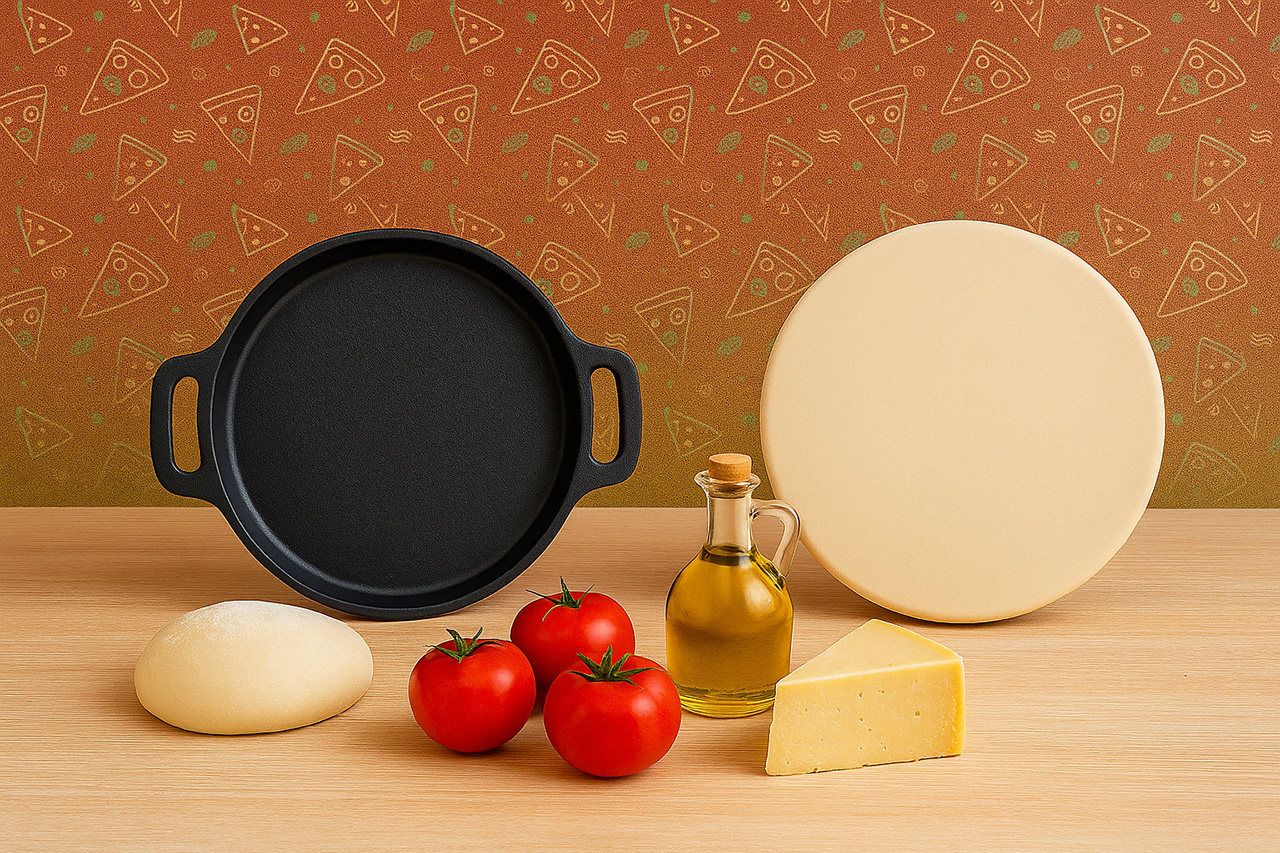
Start with your oven and the pizza you want to bake. Then buy tools that solve real tasks, with clear measurements and ordering checks.
09/10/2026
17:36
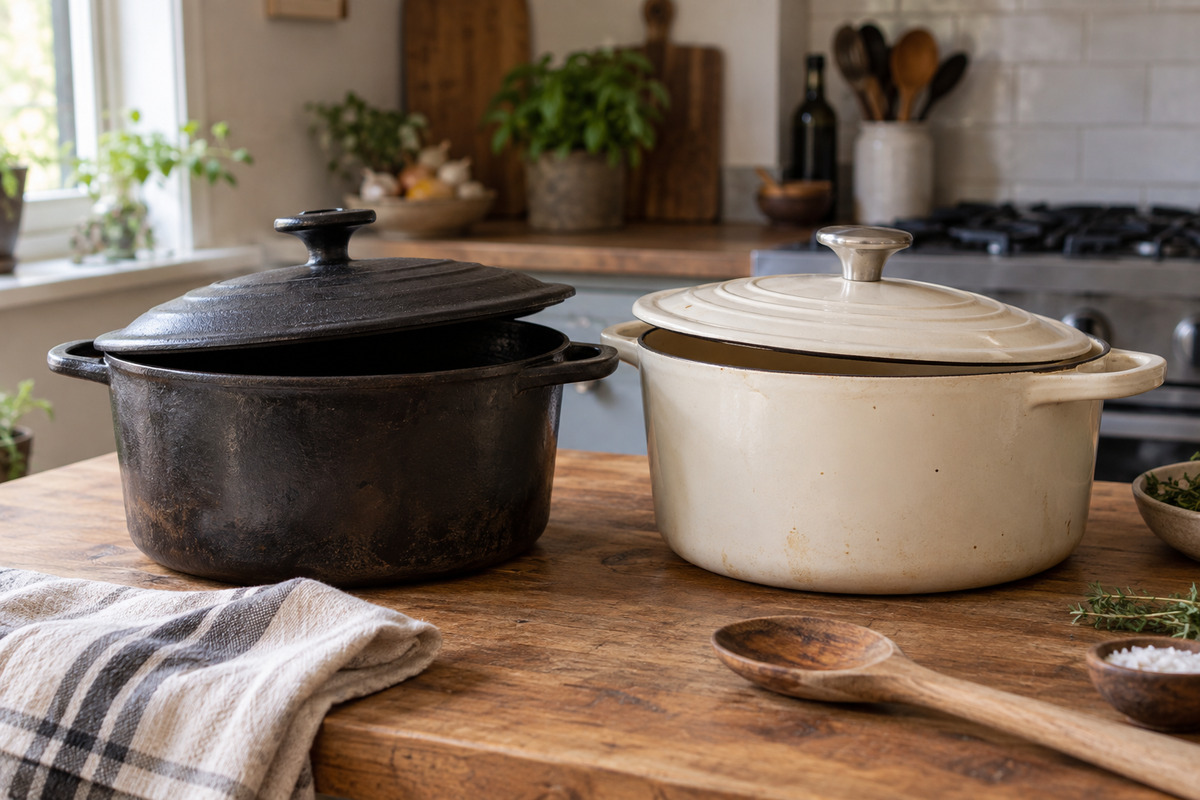
If you are setting up a kitchen in Hungary, start with cookware measurements and clear ordering information. Here is how to compare Milestone66 options in English.
09/10/2026
17:36
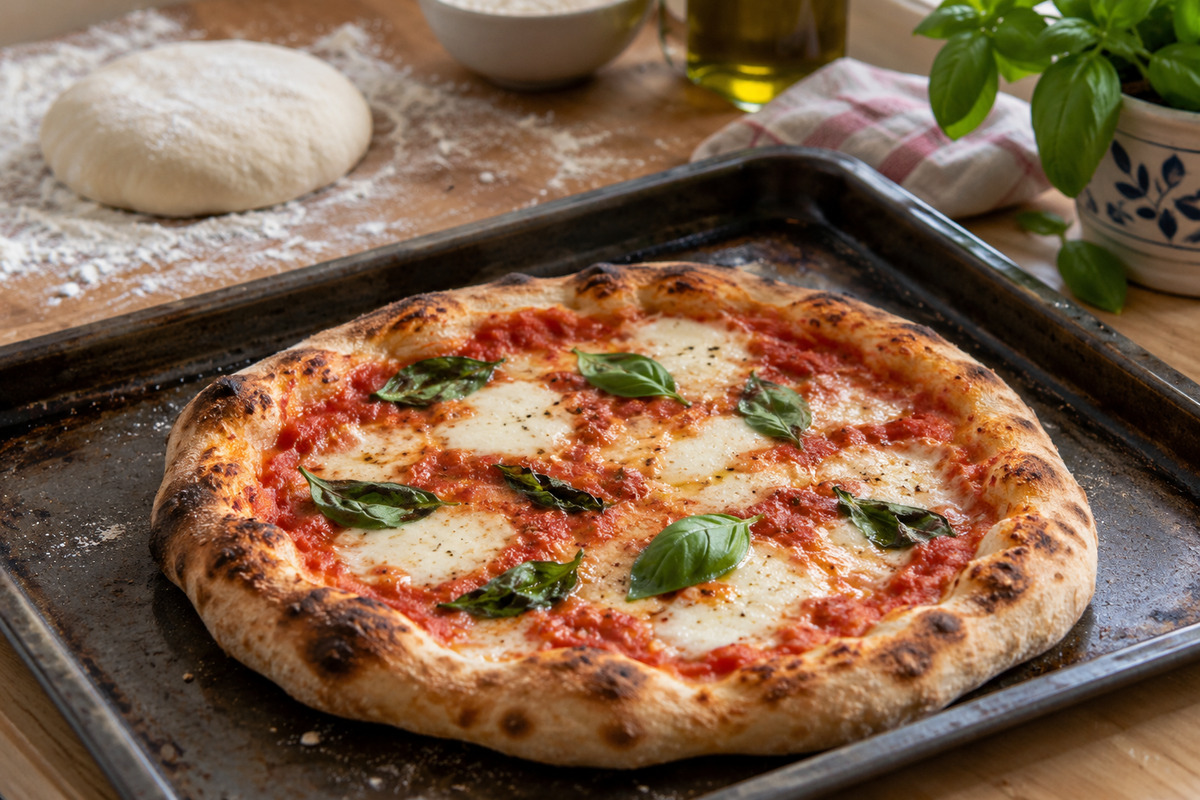
A successful launch starts on the worktop. Prepare toppings, use manageable dough and test movement before taking the pizza to the oven.
09/10/2026
17:35
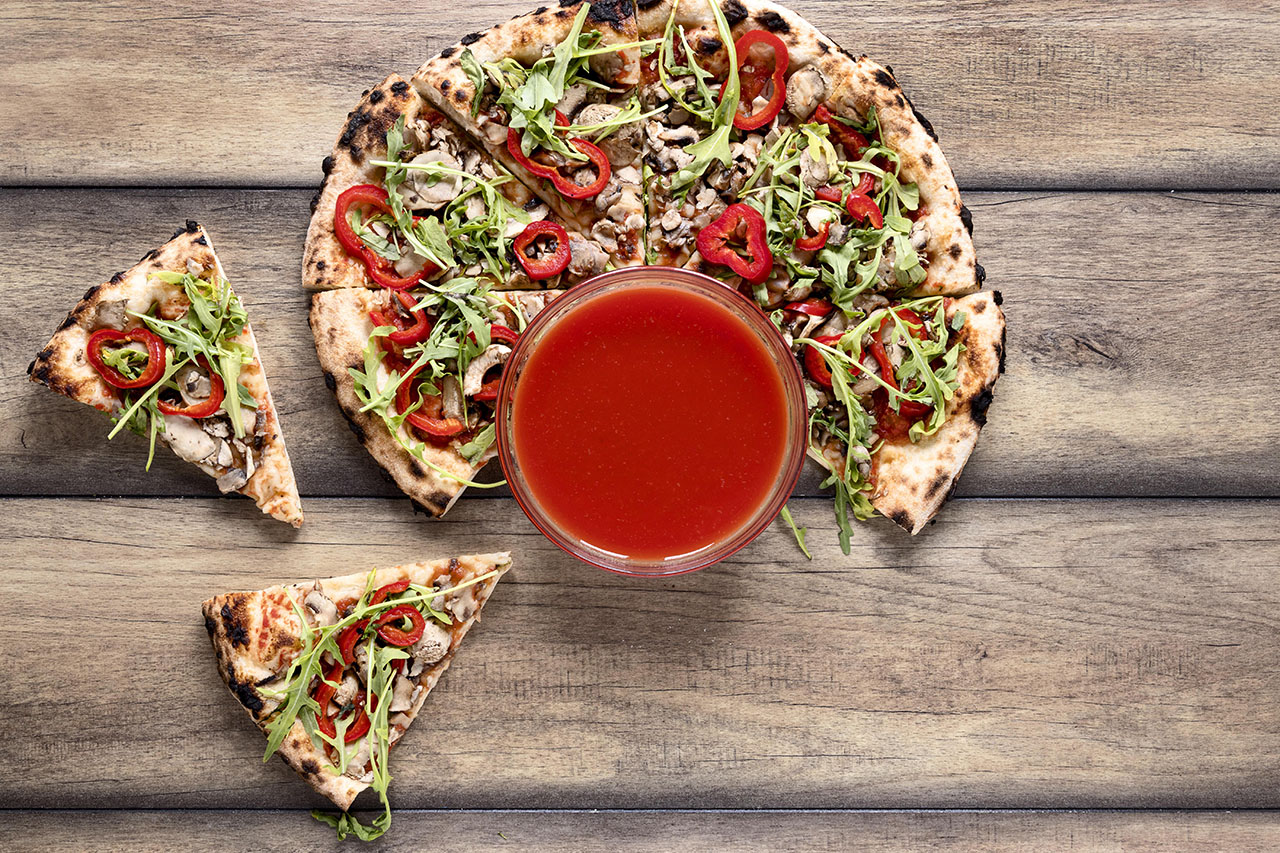
A good topping supports the dough instead of soaking it. Start with thick tomatoes, the right cheese and measured quantities.
09/10/2026
17:35
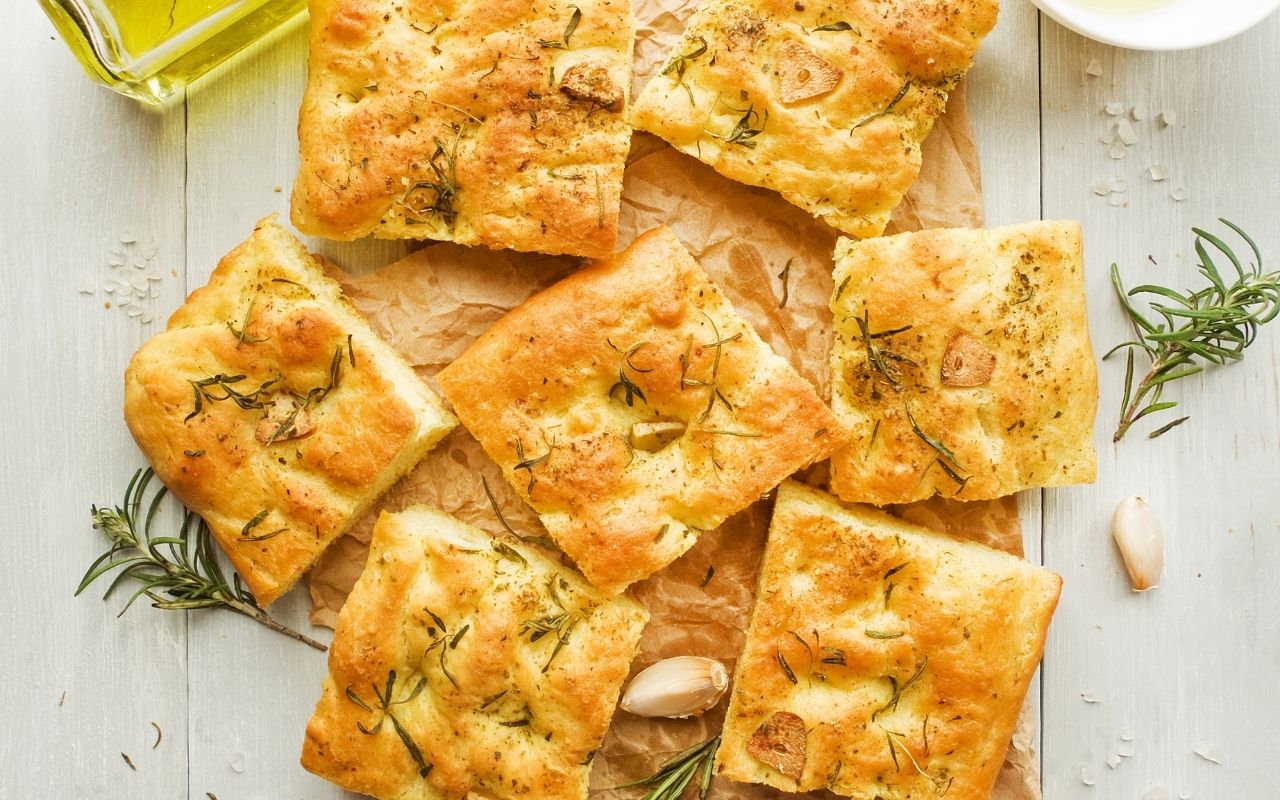
Focaccia teaches you to work with softer dough without stretching a round pizza. Rest, folds and a good final proof do most of the work.
09/10/2026
17:35
The finished pizza gives useful clues. Separate dough, topping and oven problems, then change one variable for the next batch.
09/10/2026
17:31
The material matters more than the phrase pizza plate. Match the surface to your oven, preferred pizza and handling space.
09/10/2026
17:31

Tray pizza is practical for sharing and avoids launching a round pizza. Give the dough time to relax, then control the topping moisture.
09/10/2026
17:31
A home oven can make an excellent raised-rim pizza, but its longer bake changes the result. Match the method to the heat you actually have.
09/10/2026
17:31
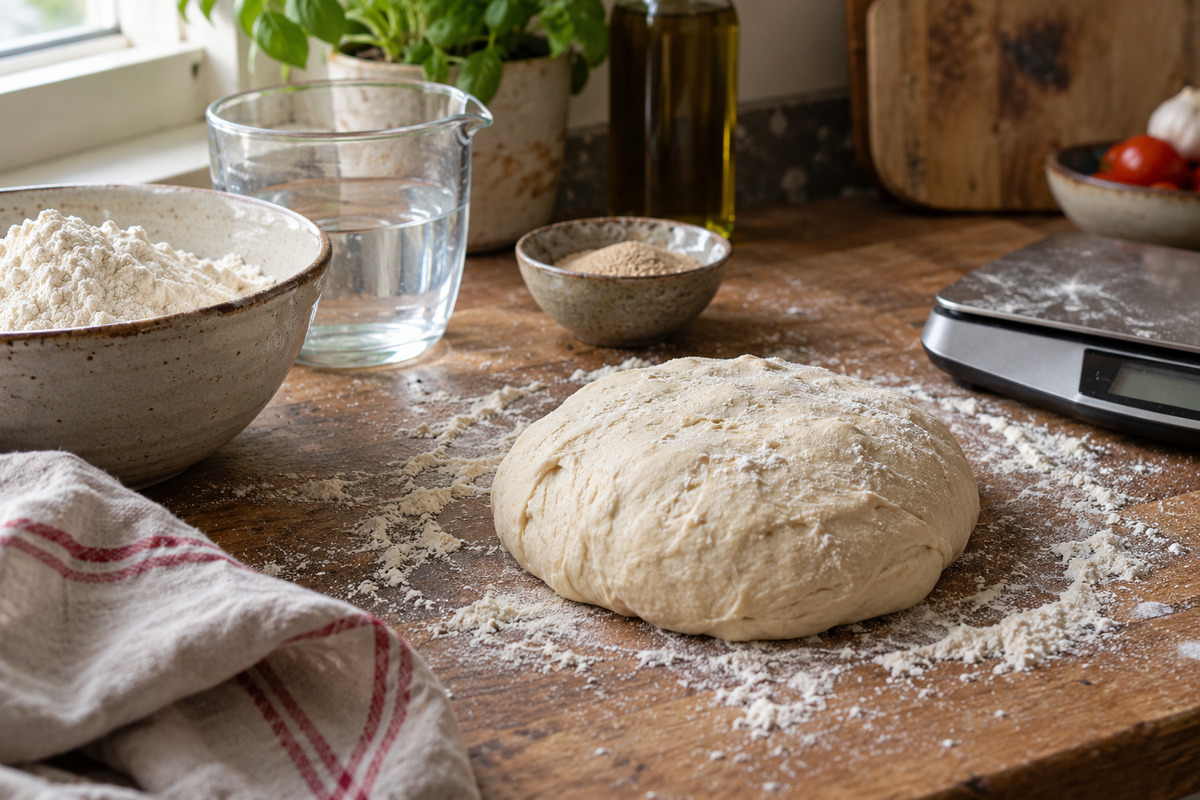
A preferment lets some flour ferment before the final dough is mixed. Compare two methods with complete ingredient totals, then choose the one you can control.
09/10/2026
17:30
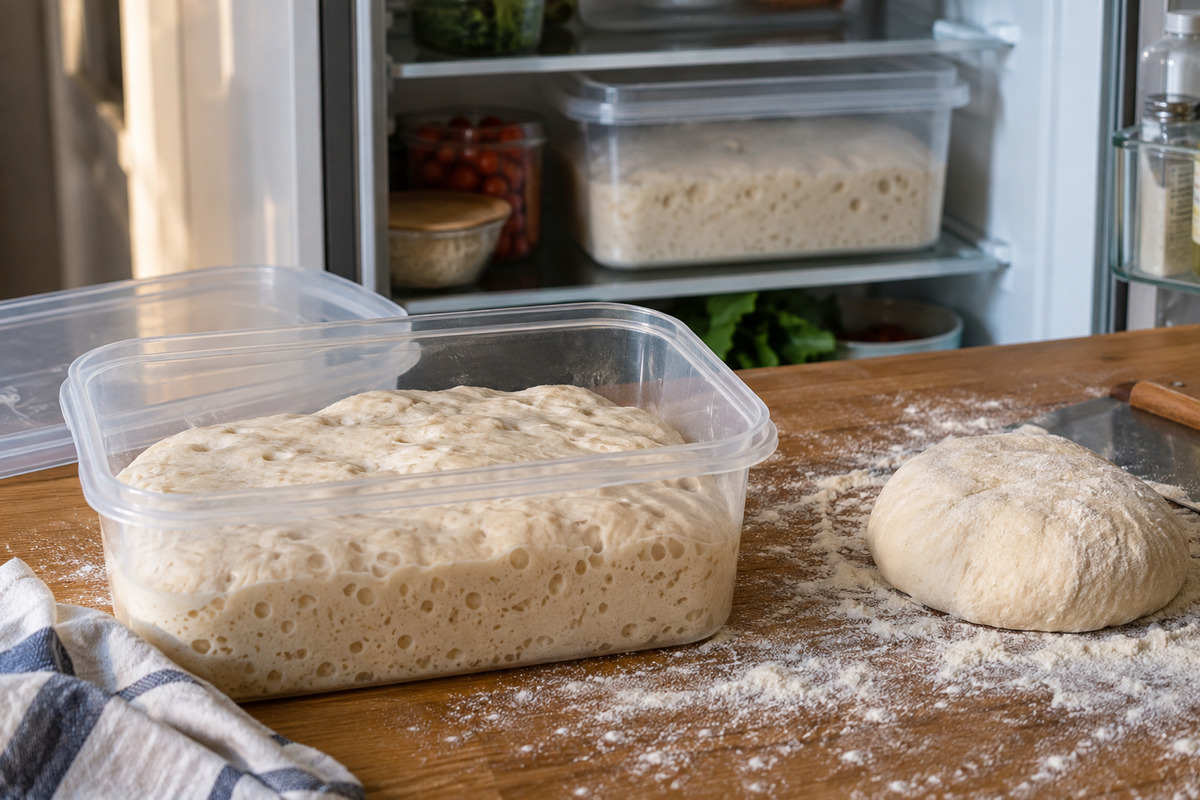
Refrigeration helps organise the work, but it does not stop fermentation. Plan both the cold stage and the time needed before stretching.
09/10/2026
17:28
Hungarian flour labels can be unfamiliar if you normally shop in English. Learn what to check so you can choose flour for your own dough schedule.

